Text size
Line height
Text spacing


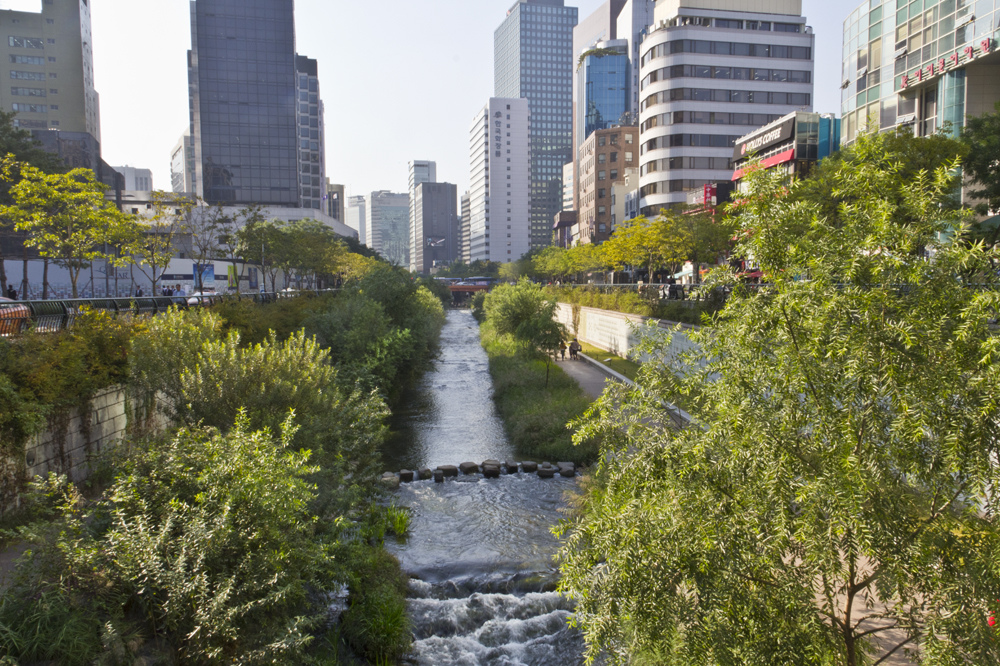
Landscape design involves design on a human scale that challenges us to think about the composition and construction of architecture from the ground up. In this class, we will approach the installation of materials, hard work and creativity essential to the landscape design process. Studies of painting, digital media and the shape of plate material and the characteristics of the phenomenon - place and construct a full-scale landscape. Emphasizing the quality of their work, we will explore the details of the dialogue with the studio and explore how they influence design concepts at various scales. Throughout the class, we will synthesize technical performance questions, design ethics and creative expressions
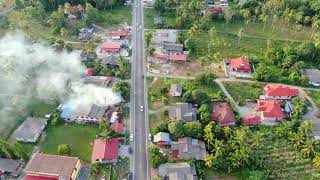
BACHELOR OF LANDSCAPE ARCHITECTURE WITH HONOURS
COURSE OUTLINE
SGL3316 Landscape Culture and Heritage Studio
Credit(s): 6
Lecture and Practical: 240 hours
SYNOPSIS:
A cultural landscape is a physical area with natural features and elements modified by human activity resulting in patterns of evidence layered in the landscape, which give a place its particular character, reflecting human relationships with and attachment to that landscape. This course exposes students to the cultural landscape and the of art heritage. Focus will be given to the cultural landscape studies in relation to human settlements. The course will also provide knowledge and exposure to the local heritage and its landscape.
COURSE LEARNING OUTCOME (CLO)
Upon completion of the programme, graduates will be able to:
CLO1 | Justify the principles of local landscapes and local heritage into studio design. (A3, PLO3)
CLO2 | Apply the principles of cultural landscape design to the study area.(C3,PLO1)
CLO3 |Demonstrate the design of a cultural landscape by emphasizing the local culture and
the art of heritage.(A3,PLO6)
CLO4 |Construct a design proposal of cultural landscape and heritage as the main criteria in
the conceptual design of a local community culture.(P4,PLO2)
CLO5 |Explain the design proposals that emphasize awareness of local culture and heritage
(A3,PLO5)
LEARNING OUTCOMES
Upon completion of this course, students should be able to:-
|
No. |
Course Learning Outcome (CLO) |
PLO |
GSA & LD |
|
1. |
Justify the principles of local landscapes and local heritage into studio design. (A3, PLO1) |
PLO1 |
LD1 |
|
2. |
Apply the principles of cultural landscape design to the study area.(C3,PLO2) |
PLO2 |
LD2 |
|
3. |
Demonstrate the design of a cultural landscape by emphasizing the local culture and the art of heritage.(A3,PLO3) |
PLO3 |
LD5 |
|
4. |
Construct a design proposal of cultural landscape and heritage as the main criteria in the conceptual design of a local community culture.(P4,PLO4) |
PLO4 |
LD6 |
|
5. |
Explain the design proposals that emphasize awareness of local culture and heritage (A3,PLO5) |
PLO5 |
LD11 |
Learning Domain
LD 1 Knowledge & Understanding
LD 2 Cognitive Skills
LD 3 Practical Skills
LD 4 Interpersonal Skills
LD 5 Communication Skills
LD 6 Digital Skills
LD 7 Numeracy Skills
LD 8 Leadership, Autonomy & Responsibility
LD 9 Personal Skills
LD 10 Entrepreneurial Skills
LD 11Ethics & Professionalism
TEACHING METHODOLOGY
Lecture, Question & Answer, Exercises & Practices, Sketches, Observations, Writing, Self-directed learning, Presentation.
GRADING (CONTINUOUS ASSESSMENT)
|
CLO |
ASSIGNMENTS |
ASSESSMENT |
|
Justify the principles of local landscapes and local heritage into studio design. (A3, PLO1) |
Board |
10% |
|
Apply the principles of cultural landscape design to the study area.(C3,PLO2) |
Drawing |
10% |
|
Demonstrate the design of a cultural landscape by emphasizing the local culture and the art of heritage.(A3,PLO3) |
Presentation |
15% |
|
Construct a design proposal of cultural landscape and heritage as the main criteria in the conceptual design of a local community culture.(P4,PLO4) |
Design Idea |
40% |
|
Explain the design proposals that emphasize awareness of local culture and heritage (A3,PLO5) |
Report |
25% |
REFERENCES:
1. Golany, G. (1995). Ethics and urban design: Culture, form and environment. New York: Wiley & Sons.
2. Jongman, H.G. and Pungetti, G. (2004). Ecological network and greenway: Concept, design, implementation. New York: Cambridge.
3. Marcus, C.C. and Francis, C. (1998). People and place: Design guideline for urban open spaces. Canada: John Wiley & Sons.
4. Carmona, M (2010). Public places-urban spaces. Routledge.
5. Faga, B. (2006). Designing public consensus: The civic theatre of community participation for architects, landscape architects, planners, and urban designers. John Wiley.
6. Larice, M. and Macdonal, E. (Eds.). (2013). The urban design reader. Routledge.
7. Moughtin, J.C.C. and Shirley, P. (2005). Urban design: Green dimensions. Routledge.
8. Mousavi, F. and Lopez, D. (2009). The function of form. Barcelona: Actar.
9. Shannon, K. and Smets, M. (2010). The landscape of contemporary infrastructure. NAi Publis.
10. Thomas, R. (Ed.). (2003). Sustainable urban design: An environmental approach. Taylor & Francis.

This course introduces students to the theory of community design. It provides knowledge and exposure to the aspects that a Landscape Architect must consider in designing a community development. The ability to assess the needs of people in a community in an area can have a positive impact on the community in carrying out daily activities including recreation and preserving its environment.
2. Rationale
The course provides an overview of the needs and requirements of a local community based on the design statement. It highlights the importance of environmental psychology in designing a landscape architectural project, making inferences about design and construction techniques appropriate to socio-cultural and local values.

A topical study studio is a studio that looks at both design and research aspects. In other words, it is a research-based project where students need to produce a technical report besides the presentation boards. As a professional designer in the landscape architecture field, not only do we need to know how to design, but we also need to know how to write scientifically as well. The topical study landscape design project starts with the selection of a topic followed by identifying the research problem or the site issue or potential that is worth investigating. The study comprises five chapters explaining the introduction, literature review, research methodology, development of masterplan, and conclusion of design solution. Hence, a topic selection investigating a particular issue is crucial because it will guide the entire research project based on the research topic.

BACHELOR OF LANDSCAPE ARCHITECTURE WITH HONOURS
COURSE OUTLINE
SGL3353 Research Methodology
Credit(s): 3
Lecture and Practical: 120 hours
This course exposes students with the research process from understanding on issue and problem, academic studies, data collection and analysis to solve the issue in landscape architecture disciplines. The used methodology includes data collection by documentation, survey, observation, and experiment. Research methodology involves with critical and systematic reading and evaluating in contributing to the better problem solving for living ecosystem.
PROGRAM LEARNING OUTCOMES (PLO)
Upon completion of the programme, graduates will be able to:
1. Clarify the process of research methodology in collecting the information related to the design accurately (C2, PLO1)
2. Justify knowledge toward research finding according to critical though (C3, PLO2)
3.
Explain the research by using appropriate research methods. (A4, PLO8)
Upon completion of this course, students should be able to:
|
No. |
Course Learning Outcome (CLO) |
LOC |
LOD |
DLD |
|
1. |
Clarify the process of research methodology in collecting the information related to the design accurately. (C2, PLO1) |
LOC1 |
LOD1 |
C2 |
|
2. |
Justify knowledge toward research finding according to critical though. (A3, PLO2) |
LOC2 |
LOD2 |
A2 |
|
3. |
Explain the research by using appropriate research methods. (A4, PLO8) |
LOC3 |
LOD8 |
A4 |
Learning Outcome Clusters (LOC) and Learning Outcome Domains (LOD)
LOC 1 Knowledge and Understanding
LOD 1 Knowledge and Understanding
LOC 2 Cognitive Skills
LOD 2 Cognitive Skills
LOC 3 Functional Work Skills
LOD 3 Practical Skills
LOD 4 Interpersonal Skills
LOD 5 Communication Skills
LOD 6 Digital Skills
LOD 7 Numeracy Skills
LOD 8 Leadership, Autonomy and Responsibility
LOC 4 Personal and Entrepreneurial Skills
LOD 9 Personal Skills
LOD 10 Entrepreneurial Skills
LOC 5 Ethics and Professionalism
LOD 11 Ethics and Professionalism
TEACHING METHODOLOGY
Lecture, Question & Answer, Exercises & Practices, Sketches, Observations, Writing, Self-directed learning, Presentation.
GRADING (CONTINUOUS ASSESSMENT)
|
CLO |
ASSIGNMENTS |
ASSESSMENT |
|
Clarify the process of research methodology in collecting the information related to the design accurately. (C2, PLO1) |
Article |
40% |
|
Justify knowledge toward research finding according to critical though. (A3, PLO2) |
Presentation |
30% |
|
Explain the research by using appropriate research methods. (A4, PLO8) |
Conference |
30% |
REFERENCES:
1. Golany, G. (1995). Ethics and urban design: Culture, form and environment. New York: Wiley & Sons.
2. Jongman, H.G. and Pungetti, G. (2004). Ecological network and greenway: Concept, design, implementation. New York: Cambridge.
3. Marcus, C.C. and Francis, C. (1998). People and place: Design guideline for urban open spaces. Canada: John Wiley & Sons.
4. Carmona, M (2010). Public places-urban spaces. Routledge.
5. Faga, B. (2006). Designing public consensus: The civic theatre of community participation for architects, landscape architects, planners, and urban designers. John Wiley.
6. Larice, M. and Macdonal, E. (Eds.). (2013). The urban design reader. Routledge.
7. Moughtin, J.C.C. and Shirley, P. (2005). Urban design: Green dimensions. Routledge.
8. Mousavi, F. and Lopez, D. (2009). The function of form. Barcelona: Actar.
9. Shannon, K. and Smets, M. (2010). The landscape of contemporary infrastructure. NAi Publis.
10. Thomas, R. (Ed.). (2003). Sustainable urban design: An environmental approach. Taylor & Francis.
Kursus ini merupakan kursus permulaan bahasa Arab (tahap II). Pada peringkat ini pelajar akan diperkenalkan dan dibimbing dengan kemahiran asas mendengar, bertutur, membaca dan menulis bahasa Arab A1 (tinggi). Peringkat ini akan mengikut Common European Framework of References for Languages A1 (tinggi). Pelajar akan didedahkan dengan penerimaan (mendengar, bertutur, membaca dan menulis) menerusi latihan intensif. Pengajaran dan pembelajaran akan dilaksanakan dalam bentuk kuliah, tutorial, tugasan di dalam dan luar kelas. Pada akhir kursus ini pelajar dapat menguasai kemahiran mendengar, bertutur, membaca dan menulis pada tahap A1 (tinggi).

WELCOME TO UBE 10103 PROFESSIONAL WORKPLACE COMMUNICATION.
Kursus ini merupakan kursus permulaan bahasa Jerman (tahap I). Pada peringkat ini pelajar akan diperkenalkan dan dibimbing dengan kemahiran asas mendengar, bertutur, membaca dan menulis bahasa Jerman A1 (rendah). Peringkat ini akan mengikut Common European Framework of References for Languages A1 (rendah). Pelajar akan didedahkan dengan penerimaan (mendengar, bertutur, membaca dan menulis) menerusi latihan intensif. Pengajaran dan pembelajaran akan dilaksanakan dalam bentuk kuliah, tutorial, tugasan di dalam dan luar kelas. Pada akhir kursus ini pelajar dapat menguasai kemahiran mendengar, bertutur, membaca dan menulis pada tahap A1 (rendah).